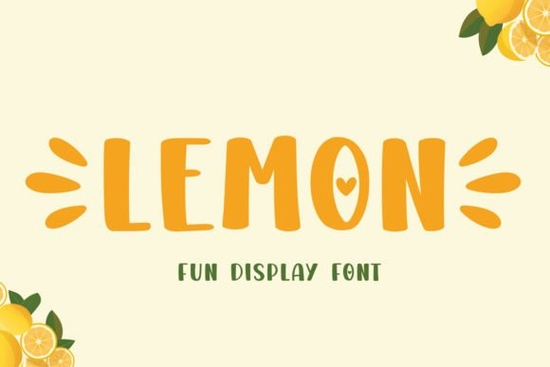
If you are looking for a typeface that immediately catches the eye while keeping a light feel, Lemon Font delivers exactly that. Designed with a mix of display and cute characteristics, this script offers rounded edges and slight baseline shifts that mimic hand-lettered signage. Crafters, small business owners, and print-on-demand creators often choose these characters when they need instant personality for packaging or digital downloads without sacrificing legibility.
What kinds of seasonal projects actually benefit from this shape?
The organic spacing works well for warm-weather campaigns, holiday greetings, and classroom materials. Weighted terminals catch attention faster than thin geometric scripts, which matters when people scroll through online marketplaces. Sellers frequently pair these letters with pastel backgrounds or bold primary colors for Easter invitations, summer sale banners, or clearance tags. The glyphs maintain consistent contrast, scaling cleanly from large yard signs down to tiny apparel tags.
How do the decorative flourishes impact readability?
While the set includes playful swashes and slight kerning variations, the core alphabet stays straightforward. Readers process the shapes quickly because the x-height remains tall and the bowl structures open widely. This balance prevents cramped text when used for menu headers, sticker copy, or tote bag slogans. Leave extra leading space so top hooks and bottom tails do not collide. Testing your layout at actual print size saves revision time.
Which companion typefaces pair effectively with this playful style?
Contrasting weights keep compositions grounded. A clean sans-serif handles body copy well, letting the headline carry visual weight. Mixing curved forms with structured block letters works nicely for price tags or bullet points. If you want to experiment with bubble-inspired variations, checking out Glossy Bubble Font or Super Bubble Font provides alternative sizes. For beach-themed merchandise, browsing Summer Forever Font and Summer Chunky Font maintains visual harmony across storefronts. Visiting the dedicated page for this specific style reveals sample arrangements that highlight spacing quirks.
Consistency in stroke thickness matters more than sticking to one family. Pairing curved accents with minimalist lines maintains polish while delivering a handmade vibe. Limit palettes to two or three tones so typography stays the focus. Adjust tracking on all-caps headlines to prevent gaps. Preview artwork on neutral paper before committing to production.
Are there licensing considerations for resale items?
Digital typography licenses cover personal use and limited commercial projects, but terms vary. Review distribution rights before uploading files to marketplaces. Standard agreements usually allow printing a set quantity of physical goods, using graphics in social ads, or creating templates for clients. Ongoing inventory often requires an extended license. Keep order confirmations handy for future reference.
Where should beginners start for a quick template stack?
Reusable assets speed up workflows significantly. Design four to six standard dimensions matching popular listing sizes. Add margin guides, logo safe zones, and placeholder boxes for easy content swapping. Group layers clearly and save editable files alongside flattened previews. Update versions when platform guidelines change.
For usage rules and direct access to the character set, you can visit Lemon Font on Creative Fabrica. The marketplace clarifies file formats, language support, and commercial allowances. Testing files with actual printers ensures crisp edges on textured substrates.
What steps should I take before finalizing files?
- Check outline conversion settings to preserve spacing across software versions.
- Verify trademark databases to avoid infringing on existing marks.
- Export high-resolution PNG or PDF previews with transparent backgrounds.
- Run a spelling pass on placeholder text before removing guides.
- Organize backups by project date instead of random names.
Review layouts on mobile screens since many shoppers browse vertical feeds. Adjust line breaks so key phrases stay intact. Add subtle contrast tools only when they improve visibility against busy photos. Save working documents in both native and universal formats. Pro tip: Print a single test proof on your chosen material before ordering bulk quantities to catch ink bleed or alignment shifts early.
Try It Free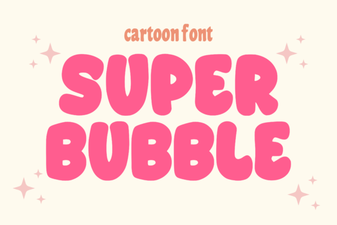 Crafting with Super Bubble Fonts for Projects
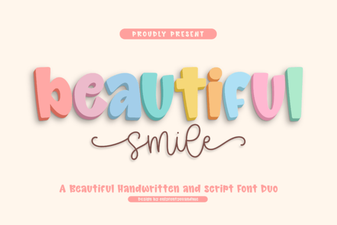 Beautiful Smile Font: a Creative Web Project
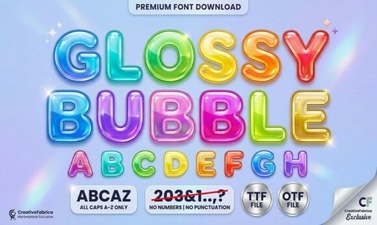 Designing with Glossy Bubble Fonts for Creative Projects
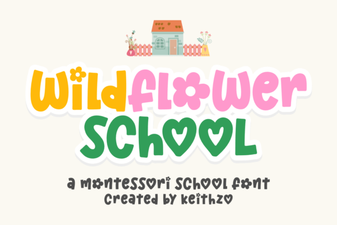 Explore the Wildflower School Font & Design Projects
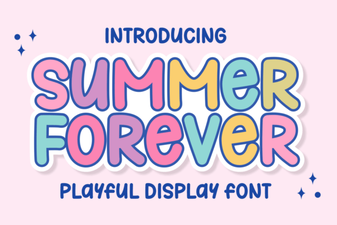 Summer Forever Font: Design Styles & Free Downloads
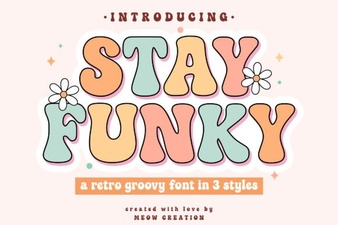 Unleash Your Projects with the Stay Funky Font