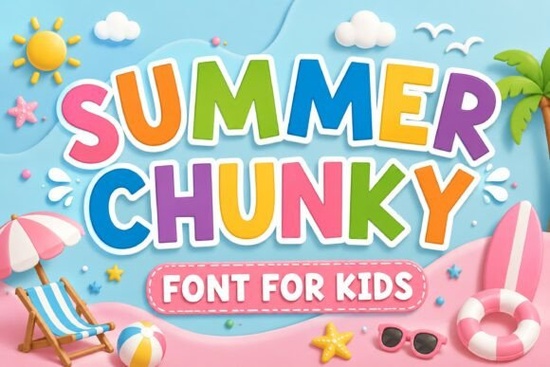
When you need a typeface that instantly communicates warmth and energy, your choice matters more than you might think. A heavy, rounded letterform can turn a standard label into something shelf-ready or catch a parent’s eye while scrolling through feed options. If you are working on seasonal merchandise, children’s event materials, or bright promotional graphics, Summer Chunky Font fits right into those workflows. The letters feel solid yet playful, which makes them easy to read even at small sizes on tote bags, mugs, or sticker sheets.
Where does this kind of display type actually perform best?
Designers usually reach for character-heavy fonts when they want to set a mood without relying on extra illustration work. Thick strokes hold up well during heat transfer processes, making these types popular among print-on-demand creators for apparel and home decor items. Pair the main title with a thin, clean sans-serif for body copy, and your layout stays balanced instead of competing with itself.
Crafters often use this style for printable planners, birthday banner templates, and classroom reward charts. Because the shapes lean toward a hand-drawn cartoon aesthetic, the type feels approachable for younger audiences. You can easily adapt it for seasonal campaigns by switching out background colors or adding simple line-art elements like palm leaves or ice cream cones. Small business owners also find it useful for quick branding touch-ups, such as updating logo lockups for summer promotions. If you occasionally explore similar vibe fonts like Stay Funky Font or Beautiful Smile Font, you will notice how varying stroke weights change the overall personality of a design.
How do you make sure the final files match your production needs?
Before adding any new typeface to your asset library, check the included formats and supported languages. Most modern display families provide OpenType and TrueType versions along with a basic license sheet. Look for features like ligatures or alternative caps that save hours during layout adjustments. Testing the text at actual print dimensions (usually 300 DPI) prevents unwanted gaps between characters, especially when kerning values shift during scaling. Running a quick proof on the specific material you plan to use reveals whether the ink coverage or cutting tolerance matches your expectations.
Commercial applications require clear usage rights, particularly when printing physical goods or uploading ready-to-use templates. Some marketplaces restrict certain weight ranges for reselling, while others allow unlimited personal and commercial projects under a standard creator account. Always verify whether sub-licensing covers digital downloads, marketplace listings, or client deliverables. Maintaining a folder structure labeled by project type helps you retrieve files faster during busy sales seasons.
Which companion styles keep the summer theme consistent?
Building a cohesive visual system usually means pairing a headline font with a neutral supporting type. Thin geometric sans-serifs, handwritten script variants, and light monoline faces all work well against chunky display letters. When designing children’s book covers, party stationery, or educational worksheets, readability remains the top priority alongside aesthetics. Trying out options like Moment Request Font or Wildflower School Font shows how contrast in baseline height keeps the composition dynamic. Adding a secondary accent color to select initials creates visual rhythm without overwhelming the reader.
Marketing materials benefit from predictable spacing and reliable baseline alignment across different screen sizes. Social media post templates, email headers, and short-form video captions all gain clarity when the headline type maintains consistent weight. Reviewing your export settings ensures vector paths stay clean, which matters for large-format printing or CNC routing. Keeping a master palette mapped to your typography choices reduces decision fatigue during fast turnaround projects.
What practical steps improve your workflow before launch?
Test your drafts on actual production surfaces rather than assuming the screen view translates perfectly. Run a small batch through your printer or cutting machine to confirm registration marks align correctly. Check contrast ratios between text and background to maintain accessibility standards, especially if targeting broader consumer groups. Export preview images in sRGB color mode so online listings match what customers receive. Updating your product descriptions with clear size guides and material notes reduces support inquiries down the road.
Quick Launch Checklist
- Verify font licensing covers your intended commercial uses
- Export test prints at actual scale before full production runs
- Pair chunky headlines with lightweight body text for balance
- Convert all text outlines only after checking spellings and kerning
- Upload high-resolution mockups showing the type on finished products
If you need a reliable reference point for exploring additional display options, searching for Summer Chunky Font on the source marketplace will show current updates, related bundles, and similar character sets. When balancing playful headlines with readable body copy, lighter alternatives like Helpful Person Font often fill the gap without cluttering the page. Adjust your layer order, tighten leading where needed, and run a final color proof before listing your design live.
Try It Free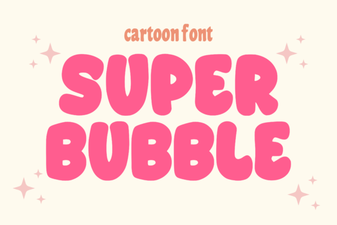 Crafting with Super Bubble Fonts for Projects
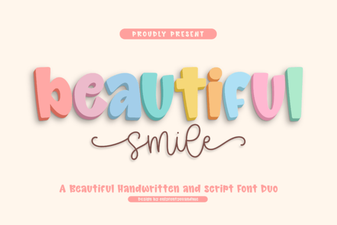 Beautiful Smile Font: a Creative Web Project
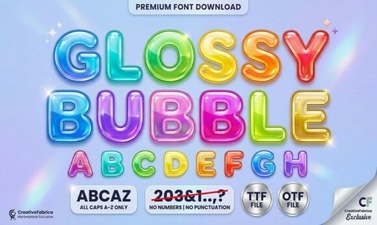 Designing with Glossy Bubble Fonts for Creative Projects
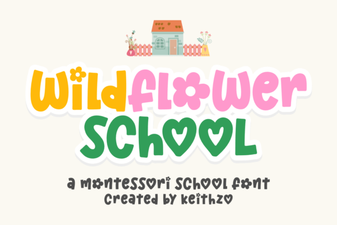 Explore the Wildflower School Font & Design Projects
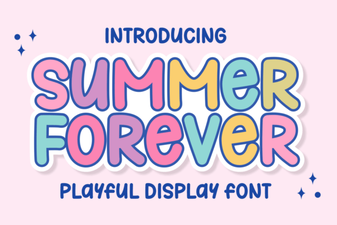 Summer Forever Font: Design Styles & Free Downloads
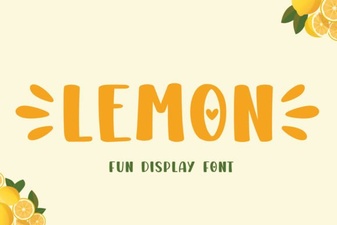 Lemon Font: Fresh Designs for Creative Projects