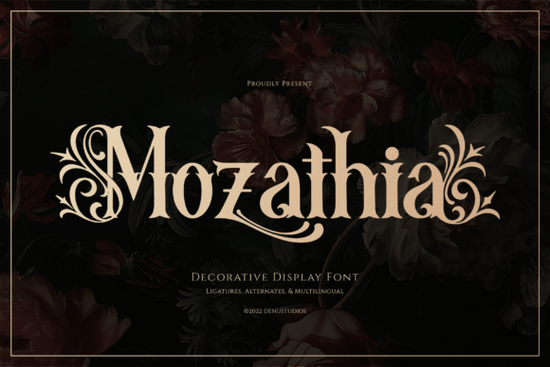
If you are looking for a typeface that brings heavy atmosphere and refined detail to your visual projects, this decorative display font delivers exactly that. Designed with strong architectural stems and sharp terminal serifs, it creates an immediate sense of drama. You will notice its true strength comes from the flowing vine-like swashes that emerge naturally from each character. Whether you are designing dark fantasy book covers, crafting premium label layouts, or developing apparel graphics for niche markets, Mozathia Font provides a reliable foundation for high-impact visuals.
What makes this typeface stand out for creative projects?
The design bridges two distinct visual traditions: historical blackletter structures and ornate vintage calligraphy. Each letter features solid vertical weight that remains highly legible even at smaller sizes, which matters when you are working with mixed media or tight layout spaces. The standout detail involves the terminal flourishes that branch outward like stylized foliage. These elements work best when given adequate breathing room, allowing the negative space to frame the sharp serifs without creating visual clutter. You get a balanced combination of stability and movement, making it suitable for both large headlines and medium-sized body accents.
How can you apply it across different creative niches?
Different professionals handle display typography in unique ways. Print-on-demand sellers often pair these heavier letterforms with muted earth tones or deep jewel colors to create instant shelf appeal. Small business owners frequently use them for storefront signage, product tags, or menu designs that require a heritage aesthetic. Hobbyists appreciate how the built-in ornaments reduce the need for extra clipart when working on scrapbooking pages or custom sticker sheets. Publishing teams rely on the clear stroke contrast to maintain readability while still delivering atmospheric mood boards for series branding.
Which specific projects benefit most from dramatic display lettering?
Certain genres and product categories align closely with this particular style. You will see it performing well on mystical merchandise, tarot card backs, and limited-edition packaging where texture and history matter. Tattoo artists use the sharp geometric curves to draft sleeve headers or session menus. Distillery and winery labels gain instant credibility because the heavy stems mirror traditional woodblock printing techniques. Even modern streetwear brands adopt similar weights to suggest craftsmanship without leaning into cliché grunge aesthetics.
What should you know before adding it to your design workflow?
Working with ornamental type requires careful attention to baseline alignment and tracking. Because the decorative branches extend beyond the standard character box, overlapping lines can create muddy shapes when scaled too low. Set your headline size above seventy-two points whenever possible, and leave roughly ten to fifteen percent extra padding on all sides. Pairing works best with simple sans-serifs or light humanist fonts that do not compete with the main display layer. If you plan to mix historical lettering styles across a single project, exploring darker typographic collections can help you maintain consistent visual rhythm without clashing weights. Always verify file formats match your software version, and check the commercial usage terms before pushing final files to print manufacturers.
Testing your layout at actual output scale prevents costly reprint errors. Print a proof on the same stock you plan to use, since matte finishes absorb ink differently than glossy coatings. When exporting digital assets, convert outlines only after verifying kerning pairs, and keep editable vector layers intact until production day. You can browse more specialized display options by searching for Mozathia Font on the marketplace to find matching ornament packs, alternative weights, or seasonal colorway previews.
Before finalizing any artwork, run through this quick setup checklist:
- Verify your base canvas is set to three hundred dpi or higher for crisp edge reproduction.
- Apply a subtle drop shadow or inner stroke only if your background image lacks sufficient contrast.
- Export your primary graphic as a transparent PNG alongside a CMYK PDF for professional printers.
- Keep a master template with locked guide lines so future batches stay aligned without manual adjustments.
Start with a clean test sheet, adjust tracking based on your specific paper type, and scale your drafts slowly to capture how the terminal swashes interact with surrounding elements. Consistent spacing and deliberate placement will always produce cleaner results than overcomplicating the layout.
Explore Design Smithson Font: Modern Design for Digital Projects
 Old String Font Styles for Modern Projects
 Unleash Creativity with Stylish Fonts for Design
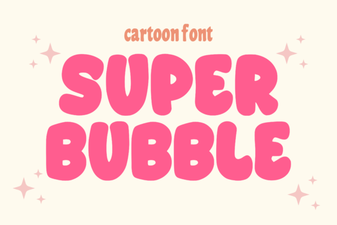 Crafting with Super Bubble Fonts for Projects
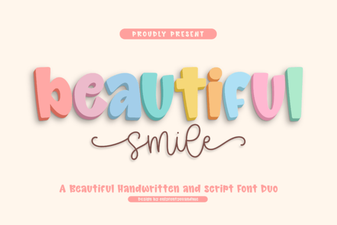 Beautiful Smile Font: a Creative Web Project
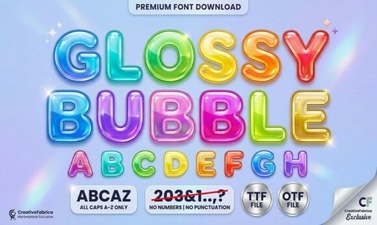 Designing with Glossy Bubble Fonts for Creative Projects