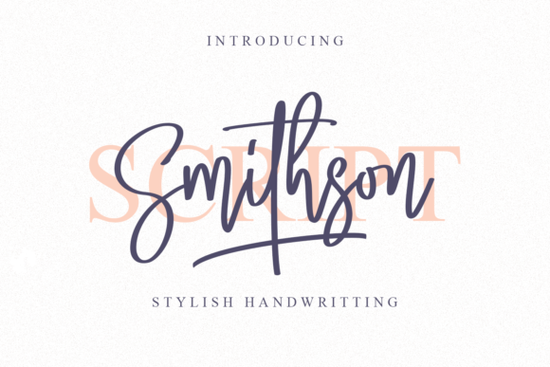
If you have been searching for a handwritten typeface that balances elegance with everyday usability, Smithson Font deserves a spot on your design desk. This particular script avoids the overly ornate traps that many similar typefaces fall into. Instead, it leans into fluid strokes and relaxed spacing that read clearly even at smaller sizes. Designers often grab it when they need a signature-like quality for logos, while crafters appreciate how quickly it transforms simple layouts into polished pieces. The overall vibe stays grounded, which makes it surprisingly versatile across different media.
What makes this script stand out compared to other handmade typefaces?
The main draw lies in its balanced structure. While the letters carry clear calligraphic roots, the terminal curves and connecting strokes feel updated rather than vintage. That contemporary twist keeps projects from looking dated, which matters when you are selling digital downloads or printing physical merch. Many users pair it with clean sans-serifs to let the handwritten details take center stage without competing with heavy graphic elements. If you want to explore similar flowing alternatives, browsing through stylish script options will show you how slight variations in stroke weight completely change the mood. You might also notice how closely some characteristics align with the structure found in this specific script collection, though each carries its own distinct rhythm. Creators who prefer the structured framing of picture-perfect lettering styles often appreciate how Smithson handles both dense and airy compositions.
How do I actually locate all the hidden symbols and alternate characters?
This typeface uses PUA (Private Use Area) encoding to store additional glyphs, swashes, and ligatures. Traditional font viewers sometimes hide these extras until you open them in the right software panel. Once installed, you can access most alternate forms through your operating system’s character viewer or by using the glyph palette in Adobe Illustrator, Affinity Designer, or Canva. A quick tip is to keep the alternate character sheet visible while you work so you can drop in decorative endpoints or crossbar swaps without guessing. Some creators gravitate toward Hailey Script for its tighter connections, but Smithson’s built-in modifiers usually handle flourishes efficiently enough to skip extra clipart. Testing a few common phrases first helps you learn which swatches match your layout without cluttering the composition.
Where should I apply this handwritten style for the best results?
Craft sellers frequently use it for printable wall art, sticker sheets, and laser-cut designs because the legible baseline scales well across various materials. Print-on-demand vendors rely on it for t-shirt graphics, tote bags, and journal covers where a personal touch stands out in crowded marketplaces. Small business owners often adopt it for boutique branding packages, especially when combining it with minimalist line icons or earthy color palettes. Hobbyists love it for scrapbook titles, party invitations, and custom monograms since the casual connective strokes read friendly rather than formal. When you preview files in mockup environments, remember that thinner hairline sections may lose detail during sublimation or screen printing, so checking proof copies at final output size always saves time.
What steps make installation and daily workflow smoother?
Download the zip package from your provider, extract the folder, and double-click the .ttf or .otf file to verify it installs correctly on your machine. Open your preferred design application, select the type tool, and set the style to regular before adjusting tracking and leading. Handwritten fonts rarely need tight letter spacing; leave room around the ascenders and descenders so the ink doesn’t bleed together. If you plan to sell finished products commercially, review the license terms regarding physical and digital distribution before scaling up production. For anyone wanting to experiment further, searching for Smithson Font gives direct access to update packs and matching visual assets. Keep a local sample document open with your most-used swashes so you can reuse consistent combinations across multiple campaigns.
- Test a full alphabet run in your primary design software to confirm all glyphs appear correctly.
- Adjust letter spacing to at least +20 to maintain readability at smaller print dimensions.
- Pair with a neutral sans-serif or slab serif for secondary information like pricing or dates.
- Export proofs at actual production size before committing bulk orders or listing digital files.
- Save a dedicated swatch library inside your app for instant access to alternate characters.
Start by drafting three short taglines using the standard and alternate endings side by side. Compare how each version sits within your brand grid, then lock in the combination that feels clearest at thumbnail size. Consistent testing will save revision cycles and keep your final deliverables professional.
Get Started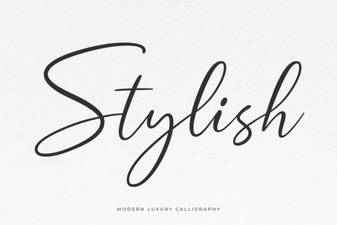 Unleash Creativity with Stylish Fonts for Design
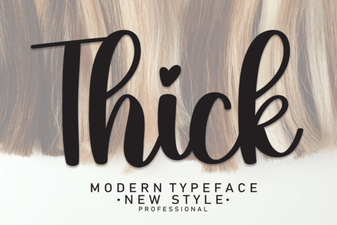 Chunky Fonts for Bold Design Projects
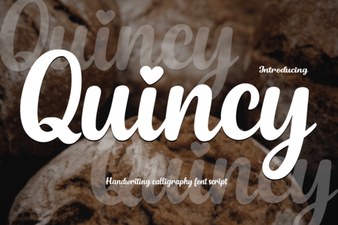 Quincy Font: a Free & Friendly Design Companion
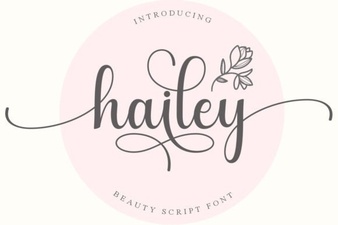 Hailey Font: Design Value and Creative Uses
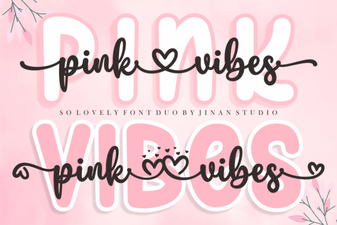 A Fun & Playful Duo Font for Graphic Projects
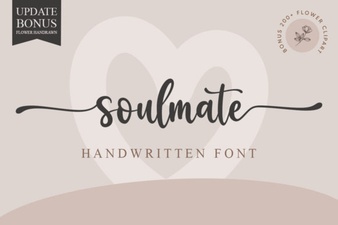 Soulmate Font: Elegant Typography for Your Creative Projects