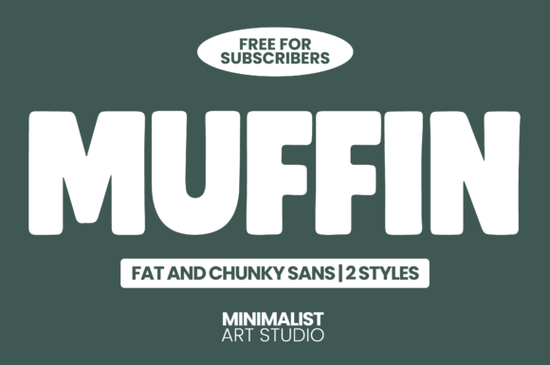
When you need a typeface that commands attention without overwhelming a layout, Muffin Font delivers a reliable solution for designers and creators who value clean geometry and heavy impact. The weight of these letters creates an immediate visual anchor, making it easy to read across merchandise tags, social banners, and digital ads. Because the strokes remain consistent and the edges stay softly rounded, the design avoids harsh corners that can clash with modern brand aesthetics.
What gives this bold sans its strong visual presence?
The design relies on a straightforward geometric structure paired with generous negative space between characters. That spacing prevents crowding when you run longer headlines, which keeps the typography breathable even at larger point sizes. The two available weights offer enough flexibility to switch from tight, punchy headers to slightly more relaxed body copy when needed. If you prefer experimenting with contrasting silhouettes, pairing a heavy display face with a cleaner alternative often balances the composition better than stacking similar weights together. You can explore complementary options to see how different terminal shapes change the overall mood of a poster or storefront sign.
Where should you place it on mockups and products?
This typeface performs well across physical and digital touchpoints because the thick stems hold up during printing processes like screen printing, embroidery, and laser engraving. Small business owners frequently apply it to apparel graphics, tote bags, and ceramic mugs where durability matters alongside appearance. Social media teams use it for event announcements and promotional thumbnails since the shape remains recognizable even when compressed into smaller viewports. Packaging designers appreciate how the clean lines sit neatly inside rectangular frames or wrap around curved labels without distortion. When testing placements, always print a proof first to verify that the ink spread does not soften the rounded terminals too much.
How do you pair it with lighter typefaces?
Heavy display fonts require restraint when combined with secondary text. A thin to medium sans serif or a simple slab provides enough contrast to maintain hierarchy without competing for attention. Look for letterforms that share similar x-height proportions and open apertures, as those traits keep the reading rhythm smooth. Using varied baseline alignments or staggered layouts can also prevent the composition from feeling static. Many creators prefer browsing additional variations within the same family to find the right spacing for tight layouts. Using tracking adjustments helps you fine-tune the visual weight without altering the actual character shapes.
What file formats and licensing details matter most?
Creative subscribers receive full access at no extra cost, which removes budget friction for freelancers managing multiple client deliverables. The package includes standard OpenType files compatible with Adobe Illustrator, Photoshop, Affinity Designer, and free alternatives like Inkscape. Always verify that the exported artwork uses outlines or embedded fonts before handing files to a printer, since missing glyphs can trigger unexpected substitutions. If you need broader compatibility for web implementation, converting the primary headings to SVG paths preserves the exact curves while reducing load times on landing pages.
Which projects benefit from a heavier weight without sacrificing clarity?
Editorial spreads, workshop flyers, and limited-edition merch runs all gain structure when anchors are grounded by substantial letterforms. The high legibility at reduced scales means you can shrink the size for contact information or copyright lines without losing readability. Crafters working on vinyl decals often choose this family because the solid fills cut cleanly through weeding processes and resist peeling over time. Review the complete library at Muffin Font to download the full set and test export settings across your preferred software suite.
Practical checklist before exporting
Convert all primary text to outlines if the final output requires absolute visual consistency across devices.
Run a color profile conversion test to ensure spot colors translate correctly to CMYK print jobs.
Verify kerning pairs manually, especially around letters with diagonal terminals or closed counters.
Archive your layered PSD or AI files with named groups so future revisions stay organized.
Start by applying the primary style to your boldest headlines, then switch to the secondary variant for supporting text. Adjust tracking slightly tighter on short phrases and looser on wider blocks to maintain visual balance. Keep testing until the message reads instantly at a glance, and trust the clean geometry to carry your brand forward.
Try It Free Nura Font: Modern Elegance for Digital Design
 Smithson Font: Modern Design for Digital Projects
 Old String Font Styles for Modern Projects
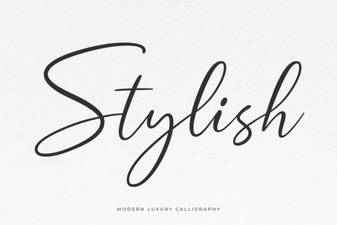 Unleash Creativity with Stylish Fonts for Design
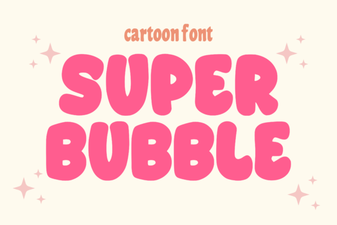 Crafting with Super Bubble Fonts for Projects
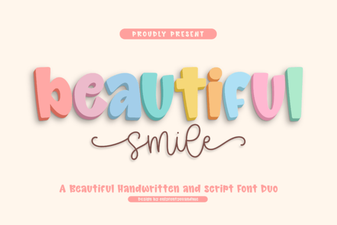 Beautiful Smile Font: a Creative Web Project