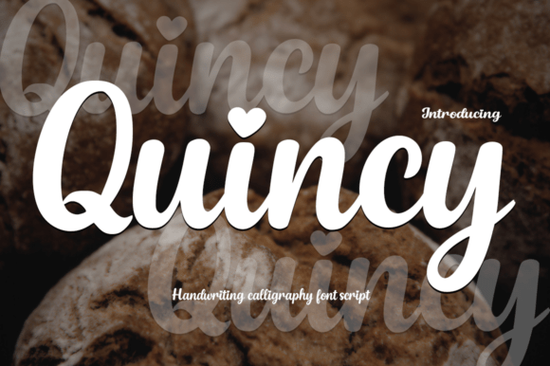
If you need a script typeface that balances readability with genuine elegance, Quincy Font delivers exactly that. Designed for creators who want instant polish without sacrificing authenticity, this file captures the fluid motion of marker pens while keeping every letter clearly recognizable. The flowing stems, gentle slant, and signature heart shapes above the lowercase i and j give your typography a warm, intentional feel. You will find it works exceptionally well across digital mockups, printed stationery, and ready-to-sell products.
What makes this calligraphy style stand out for modern projects?
Many script libraries lean too heavily into formal flourishes, which often limits where they fit. This collection avoids that trap by focusing on consistent baseline alignment and balanced spacing. The weighted contrasts between thick downstrokes and thin upstrokes mimic natural pressure points, so the text never feels flat or machine-made. When you drop it into a header or pull quote, the eye tracks smoothly from left to right. For creators testing different mood boards, comparing it against softer romantic cursive sets or exploring lighter variations found in similar script libraries reveals how baseline shifts influence overall pacing and readability.
How does it pair with more playful typefaces?
A single handwritten style rarely covers every project need, which is why the included bonus character sheet expands your range considerably. The second file brings a bold, rounded cartoon aesthetic that leans heavily into geometric curves and confident weights. That contrast creates visual hierarchy when you stack headers over body copy or design layered sticker sheets. Kids’ educational cards, comic panel titles, and upbeat brand mascots respond well to this energetic pairing. If you need something lighter for seasonal campaigns, browsing through bright summer templates shows how mixing weights keeps attention focused on the message rather than competing type treatments.
Where will this file actually save you time?
Time efficiency matters most when you balance creative work with business operations. You can deploy this asset across several high-demand niches without customizing every file from scratch:
- Wedding suites and anniversary announcements where legibility matters alongside romance
- Print-on-demand apparel and mugs that require clear, centered typography
- Social media carousels featuring quotes, recipes, or daily affirmations
- Small business labels, packaging seals, and product tags
The built-in kerning pairs handle most manual adjustments, so you spend less time nudging letters and more time refining artwork. Crafters making vinyl cut files or sublimation designs appreciate how the clean paths transfer without unexpected gaps. When exploring authentic pen-and-paper simulations across different vendors, you quickly notice how spacing algorithms differ and why sticking to one cohesive family prevents visual clutter.
What should you know before installing and applying it?
Getting the best results starts with proper setup and mindful placement. Once extracted, install the provided TTF and OTF versions through your operating system font manager. Open your preferred editing software, select the text box, and choose the primary style before adjusting tracking. A slight increase in letter spacing prevents overlapping on tight layouts, while reducing line height improves compact arrangements. Always preview your work at actual output size before finalizing artwork. Designers navigating back to the main collection hub can verify license terms and access updated version notes before purchasing additional assets.
The original creator maintains an active portfolio with additional stylistic experiments. You can explore their broader catalog by searching Quincy on the source marketplace to see matching colorways and seasonal variations that complement existing design systems.
How do you validate the fit for your next batch?
Before committing to large orders or client deliverables, run a quick verification sequence to confirm quality and compatibility:
- Test every glyph by typing common phrase combinations across multiple pages
- Check rendering at seventy-two pixels per inch for screens and three hundred pixels per inch for print proofs
- Verify character substitution behavior in vector versus raster workflows
- Confirm commercial usage rights align with your intended sales channels
Quick implementation tip: build a standard working file with your preferred margins, export settings, and pre-installed typefaces locked in place. Duplicate that master document whenever you start a new batch, swap the copywriting, adjust colors if needed, and export directly. This habit removes guesswork and keeps your turnaround times predictable.
Explore Design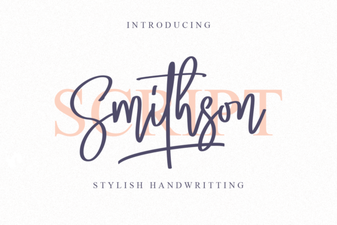 Smithson Font: Modern Design for Digital Projects
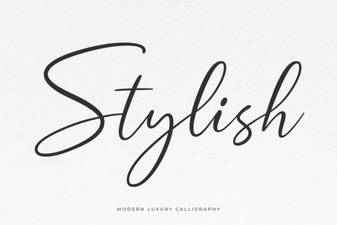 Unleash Creativity with Stylish Fonts for Design
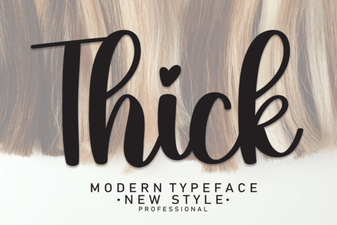 Chunky Fonts for Bold Design Projects
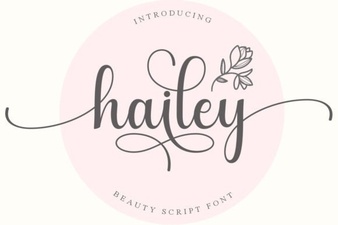 Hailey Font: Design Value and Creative Uses
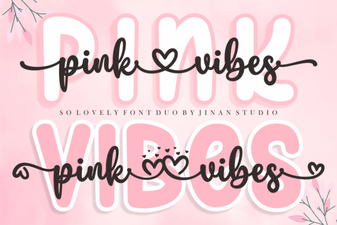 A Fun & Playful Duo Font for Graphic Projects
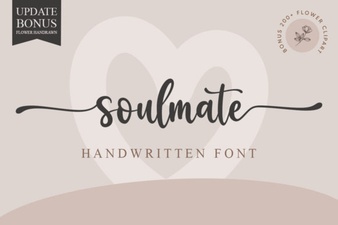 Soulmate Font: Elegant Typography for Your Creative Projects