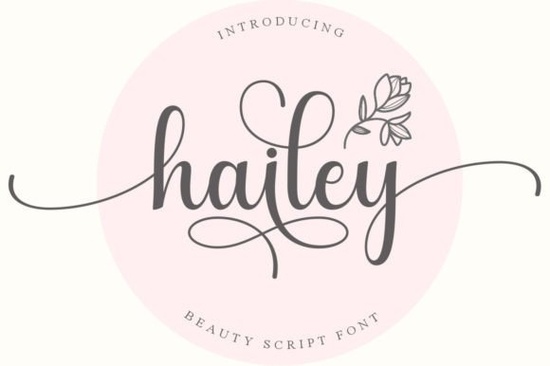
If you are looking for a typeface that brings a soft, romantic touch to your work, the Hailey Font fits right into the script and handwritten category many creators rely on. Designed to feel personal yet polished, this lettering style works beautifully across digital mockups, stationery suites, and custom merchandise. Its flowing strokes give everyday layouts a handcrafted vibe without requiring years of calligraphy practice. Whether you run a small Etsy shop or simply enjoy DIY printing, having a reliable script on hand saves time while keeping your visual output consistent.
What makes this flowing handwritten style so versatile?
At first glance, you notice how thin downstrokes balance against gently weighted curves. The letters connect naturally, which prevents that choppy look often found in rushed cursive designs. Because the file uses PUA encoding, opening the font in Illustrator, Photoshop, or Cricut Design Space gives you instant access to every swash, alternate ligature, and decorative flourish. Instead of manually replacing characters or hunting through symbol menus, you can click to drop in a capital A with a sweeping tail or a lowercase y that dips elegantly below the baseline. This straightforward workflow keeps your focus on layout rather than troubleshooting character maps.
When pairing this typeface with other elements, many creators gravitate toward simple sans serifs or structured display faces to let the script breathe. If you want to explore other delicate options that share a similar ink-flow aesthetic, browsing through collections like the Ashley Southine font shows how varied brush and pen scripts can be while staying readable at smaller sizes. A well-balanced font should never compete with your main message; it should support it quietly and clearly.
How do crafters and print-on-demand sellers actually use it?
Small batch production runs thrive on typography that photographs well and scales cleanly. This design retains its legibility when burned onto wood blanks, embroidered on tote bags, or printed on matte business cards. The gentle pressure variation mimics real pen strokes, which adds warmth to greeting cards, event save-the-dates, and journal covers. For sublimation prints, the open counters and clear spacing prevent ink bleed from turning crisp lines into muddy shapes. Many sellers also layer the swashes over textured backgrounds or use the alternates to create custom monograms for personalized orders.
Keeping your design files organized helps when managing multiple product variations. Save your most-used characters as separate vector paths, set up layered PSD templates for common item dimensions, and test color contrast early. If you prefer a more refined editorial look, checking out the Stylish font collection reveals how subtle weight changes shift a design from casual crafting to premium branding.
Why does PUA encoding matter for your daily projects?
Traditional OpenType substitution requires navigating complex dialog boxes or remembering specific keyboard shortcuts. PUA encoding solves that by mapping every available glyph directly to a single keypress or mouse click inside your software. You get the exact swash you want without guessing which alternate sits where in the font panel. This matters when you are rushing to meet a client deadline or producing fifty custom labels before a weekend market. Efficiency wins, and fewer font errors mean fewer rejected proofs.
Some users worry that special encoding limits compatibility across platforms. In practice, modern design suites handle these mappings smoothly, especially when you embed the font file alongside exported PDFs or transparent PNGs. If you occasionally work in older clipping path software or basic drawing tools, exporting your final artwork as a high-resolution image or vector outline removes any chance of missing characters. Exploring complementary scripts such as the Front Picture font demonstrates how alternative glyph sets can expand your toolkit without complicating your file management.
Which typefaces pair best with this delicate handwritten style?
Strong contrasts usually deliver the cleanest results. Think structured block letters for headlines, minimal geometric sans serifs for body copy, or classic serif faces that echo traditional penmanship. Avoid matching it with overly ornate display types that introduce competing flourishes. When building brand kits, reserve the full swash library for focal points like logos and quotes, then rely on the regular weights for addresses, pricing, and disclaimers. Consistent hierarchy keeps readers from feeling visually overwhelmed.
Testing your combinations at actual print size catches scaling issues before you commit to production. Print a quick proof on the same paper stock you plan to use, check kerning around long word strings, and verify that thin strokes survive digital compression. For creators exploring similar moodboards, the Smithson font offers another graceful option that shares that same airy, hand-lettered charm.
Finding the right tool often comes down to trying it on actual project files rather than previewing isolated alphabet sheets. You can search the full Hailey Font listing to download the package, review sample documents, and compare resolution exports before committing to a commercial license.
Ready to put the letters to work? Here is a quick setup checklist:
- Install the font file and restart your design software to register new glyph variants.
- Open the character map, locate the base glyphs, and drag your favorites onto a blank artboard.
- Create two master templates: one sized for 4×6 print cards and another for standard apparel tag placement.
- Export finished layouts as 300 DPI PNGs or outlined PDFs to lock in spacing and swash placements.
Keep your vector libraries tidy, label every swash version clearly, and revisit your kerning whenever you change font size. A small adjustment now prevents pixelated edges or awkward gaps later. When your workspace runs smoothly, you spend less time fixing files and more time creating designs that customers actually want to buy.
Explore Design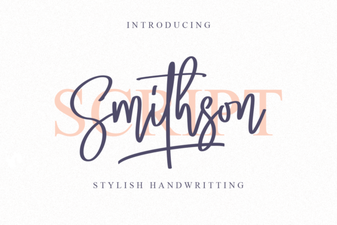 Smithson Font: Modern Design for Digital Projects
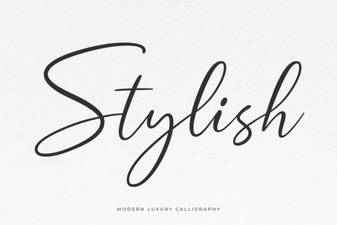 Unleash Creativity with Stylish Fonts for Design
 Chunky Fonts for Bold Design Projects
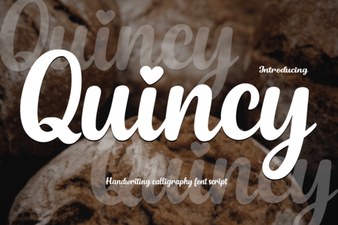 Quincy Font: a Free & Friendly Design Companion
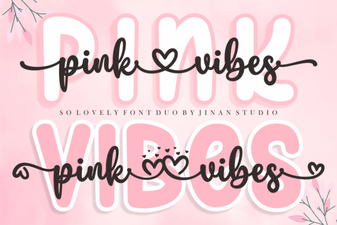 A Fun & Playful Duo Font for Graphic Projects
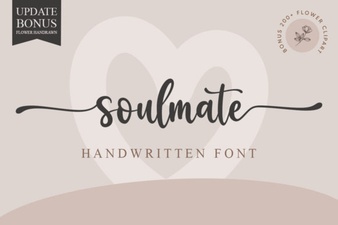 Soulmate Font: Elegant Typography for Your Creative Projects