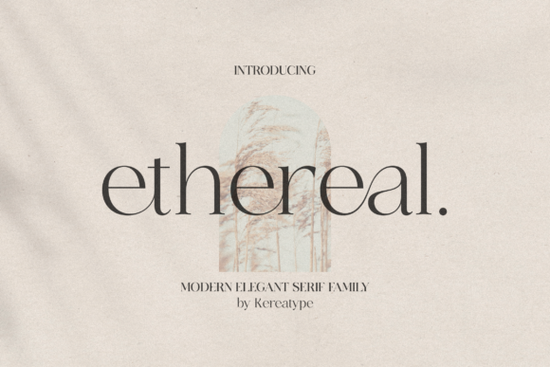
If you are looking for a typeface that balances classic readability with modern flair, the Ethereal Font family is worth a closer look. Designed as a versatile serif collection, it offers multiple weights alongside decorative swashes that keep projects from feeling too rigid. Small business owners, graphic designers, and print-on-demand sellers often reach for typefaces like this when they need instant polish without spending hours tweaking kerning or chasing rare styles. The built-in alternates mean your typography stays consistent while still having room to breathe.
What actually makes this serif family work well for brands?
Branding usually fails when a font tries to do too much at once. Ethereal avoids that trap by sticking to clean proportions and thoughtful negative space. The regular weight handles body text comfortably, while the heavier cuts draw attention to headlines without overpowering surrounding elements. What sets it apart is the decorative layer: stylized ligatures and ornamental swashes let you highlight key letters in logos, watermarks, or packaging labels. Because the file is PUA encoded, you can pull those special characters directly from your font settings panel instead of searching through messy glyph lists. That saves time during mockup creation or when preparing files for sublimation and vinyl cutting.
How do crafters and print-on-demand sellers use it?
When you run a shop selling t-shirts, mugs, or framed prints, legibility at small sizes matters just as much as visual impact. The mid-range weights of this family scale cleanly on apparel transfers and sticker sheets. Hobbyists often combine the lighter versions with minimal layouts to keep focus on photography or illustrations, while heavier iterations work well for event banners or limited-edition merchandise tags. If you experiment with spacing, try reducing letter tracking slightly on short phrases to maintain that refined serif character. Pairing it with solid background colors or soft gradients also helps the delicate serifs stay crisp during production.
Which complementary fonts should you test first?
A single typeface rarely covers every layout need, so building a short pairing strategy early saves revision cycles later. If you want to compare spacing habits across similar styles, checking the full this specific style sheet clarifies how the weights transition between screens and printed materials. For projects that need warmth with a vintage touch, Luxena Serif Fonts bring a hand-tweaked rhythm that complements structured letterforms. When your work leans toward rustic or heritage themes, exploring Old String Serif Fonts adds texture without competing for attention. Finally, when you need something brighter and more contemporary for social graphics or digital ads, browsing Bright Serif Fonts keeps the hierarchy clear while matching the polished tone of your main header. Keeping three reliable styles in one workspace usually covers most client requests.
Where can you preview alternatives before committing?
Testing type on actual product proofs beats guessing from screenshots. Many creators upload their favorite specimens to public galleries so others can see how ink bleed, fabric stretch, or screen resolution affect readability. If you want to examine how variations perform across different mediums, checking the official Ethereal Font documentation gives you direct access to sample sheets and usage guidelines. Reading through community notes often reveals spacing tricks or safe zones for export that technical specs alone might miss.
Quick steps before you download
- Check weight availability: Verify that the family includes both light and bold cuts if you plan to mix them in a single layout.
- Confirm PUA support: Make sure your design software recognizes OpenType features or PUA blocks so swashes appear correctly.
- Test scalability: Export a small-size proof on plain white paper to catch any fuzzy edges before running large batches.
- Document spacing presets: Save common kerning adjustments for recurring phrases so you do not rebuild settings for each project.
Before finalizing any artwork, run a quick verification pass: confirm the font files install cleanly, test your chosen weight at twelve pixels to catch pixelation, and export a grayscale version to check contrast balance. Apply the swashes only where they improve readability, and save your spacing presets for future batches. This habit keeps your production pipeline smooth and reduces unnecessary revisions.
Download Now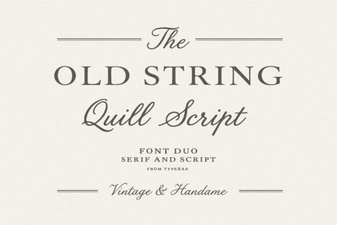 Old String Font Styles for Modern Projects
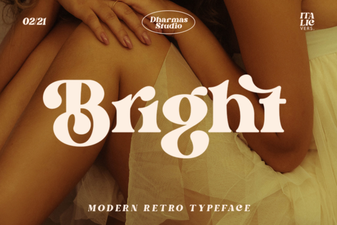 Design Tips: Using Bright Fonts to Boost Usability
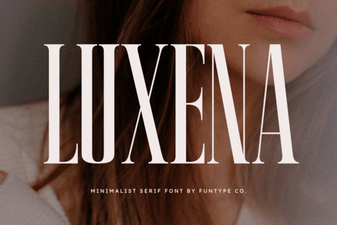 Luxena Font: Elegant Typography for Creative Projects
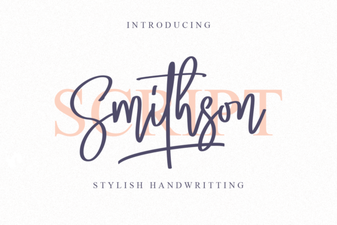 Smithson Font: Modern Design for Digital Projects
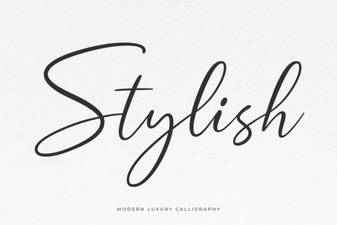 Unleash Creativity with Stylish Fonts for Design
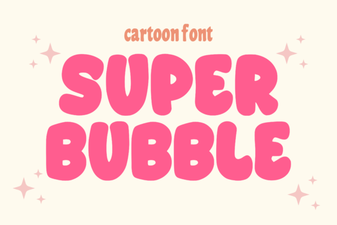 Crafting with Super Bubble Fonts for Projects