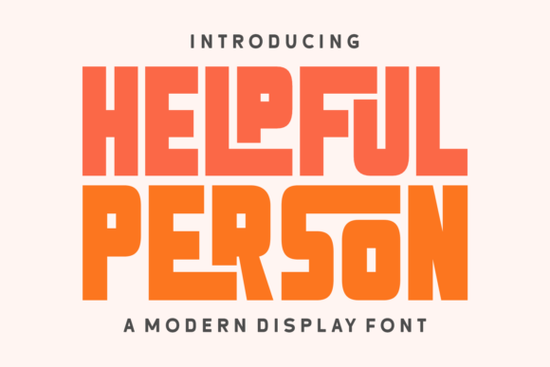
If you are looking for a typeface that immediately grabs attention while keeping things approachable, the Helpful Person Font delivers exactly that. Designed primarily for display use, it merges heavy, blocky letterforms with soft, inviting curves and playful connecting strokes. Whether you run a print-on-demand store, create handmade crafts, or design seasonal marketing materials, this font cuts through visual clutter without shouting. It brings a clear 70s-inspired warmth that feels familiar yet fresh enough for modern campaigns.
What Makes This Retro Display Typeface Stand Out?
Most display fonts struggle to balance readability with personality. This one sidesteps that problem by using substantial stroke weights and rounded terminals that keep large headlines comfortable to scan. The built-in ligatures tie letters together smoothly, which adds rhythm without requiring tedious manual adjustments. Because the proportions lean slightly wide and sturdy, it photographs beautifully on flat-lay setups and renders sharply at smaller sizes when printed on merchandise. You get instant legibility on crowded social media graphics and poster boards alike.
Where Should You Use Chunky Holiday Letters?
Seasonal branding often relies on predictable aesthetics, but you do not need to rely on cliché scripts to evoke nostalgia. This heavy display style works exceptionally well for Thanksgiving grocery bundles, winter clearance racks, and limited-edition tote bags. Small business owners frequently place these letters across paper tags, candle jars, and reusable shopping sacks because the thick counters prevent ink bleed on textured materials. Event organizers also drop them onto banner copies and ticket stubs where high contrast wins over fine details.
How Does PUA Encoding Simplify Your Workflow?
Many designers waste time searching for alternate symbols when a project demands custom touches. Private Use Area (PUA) encoding solves that bottleneck by packing additional characters directly into the font file. Instead of swapping out layers or importing separate image files, you access those extras through your software character panel. This means quicker revisions for packaging proofs and fewer export errors when sending artwork to commercial printers. You simply open the font info window, grab the desired glyph, and move straight to final layout.
Which Complementary Styles Pair Naturally With It?
Mixing two strong display families rarely produces clean results, so careful pairing matters. You might explore soft rounded alternatives for subheadings when working with dense promotional copy. For greeting cards or workshop flyers, handwritten classroom favorites provide excellent contrast against the primary headline weight. Shiny three-dimensional lettering can frame product photos on digital storefronts, while bright geometric casual faces add clean accents to recipe zines. Laid-back vacation scripts work nicely alongside travel brochures or destination wedding invites. When combining typefaces, always keep the baseline aligned and limit yourself to two distinct families per composition.
Where Can You Find Official Samples and Review Licensing Terms?
If you want to browse additional variations or verify current usage terms, visiting the marketplace page for Helpful Person Font gives you direct access to documentation and sample packs. Reading the creator notes helps you understand commercial limits before applying the type to physical goods or subscription boxes.
Quick Production Checklist
- Preview at actual size to confirm letter spacing looks intentional on your chosen canvas.
- Test kerning pairs manually when placing short words like logos or watermarks.
- Verify that all extended characters render correctly on your target printing platform.
- Confirm line height matches the physical dimensions of your packaging panels.
- Run a single physical proof before scaling full production runs.
This workflow keeps exports clean and reduces costly reprint mistakes. Keep your layer names organized and save master files in vector formats whenever possible.
Try It Free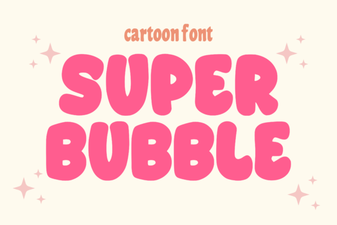 Crafting with Super Bubble Fonts for Projects
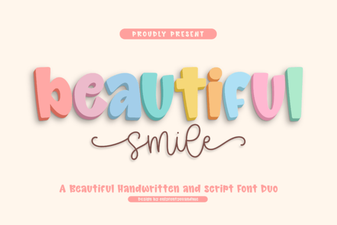 Beautiful Smile Font: a Creative Web Project
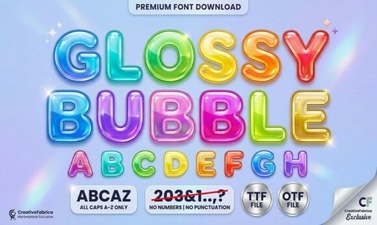 Designing with Glossy Bubble Fonts for Creative Projects
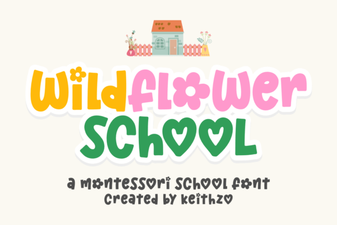 Explore the Wildflower School Font & Design Projects
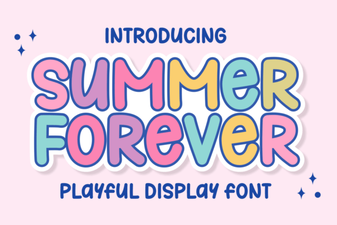 Summer Forever Font: Design Styles & Free Downloads
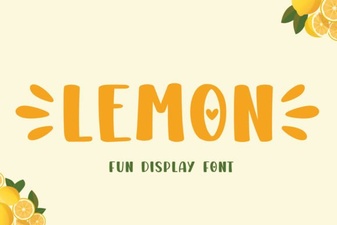 Lemon Font: Fresh Designs for Creative Projects