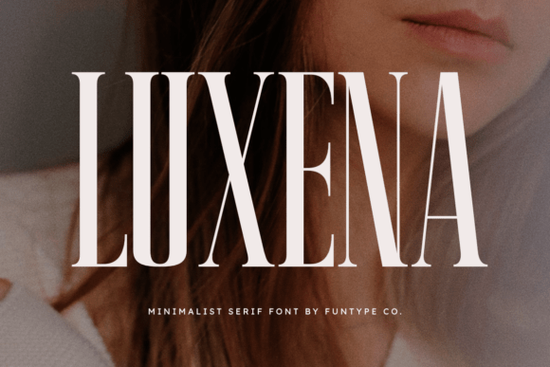
If you need a typeface that balances strength with restraint, the Luxena Font delivers exactly that. It belongs to the minimalist serif family, keeping traditional structure while stripping away unnecessary decoration. The tall proportions and clean line work give it a modern editorial feel that reads well at large display sizes. Designers, crafters, and print-on-demand sellers often reach for this style when they need typography that commands attention without shouting.
What makes a minimalist serif stand out?
Serif fonts have carried printed materials for centuries, but modern interpretations focus on geometry and readability. The vertical stress and subtle terminal curves create a refined silhouette that works beautifully for luxury branding and fashion labels. That precision is why many commercial projects rely on this approach instead of defaulting to heavy slab serifs.
If you prefer softer contrast, you might also explore lighter serif options for delicate packaging. When your project needs sharper edges, checking out high-contrast alternatives helps you build a complete toolkit. The balance here comes from controlled geometry. Each capital features a slightly elongated x-height, which improves legibility on digital screens. The serifs are crisp but never sharp enough to distract from the overall shape.
Where does this typeface actually fit in your projects?
Because of its confident structure, it performs best as a headline or display font. Small business owners frequently use it for storefront signage, premium product labels, and corporate presentations. Crafters adapt it for sublimation designs and laser-cut signs where clear letterforms matter. Print-on-demand sellers find it useful for apparel targeting customers who prefer understated elegance.
You can also treat it as a supporting voice in layout design. Pairing it with a simple sans-serif creates a clean hierarchy that guides readers through pricing or event details. Browsing similar minimalist styles shows you how slight variations change the final impression. The tall structure naturally draws the eye upward, which aligns well with mobile scrolling behavior.
How do you get the most out of the file formats?
The bundle ships in both OTF and TTF formats, covering nearly every design application. OpenType files give you access to advanced features if your software supports them, making layout adjustments faster. TrueType versions provide broader compatibility across older programs, ensuring smooth movement from screen to production.
Testing a few words in your workspace helps you spot spacing preferences early. Adjust tracking and leading until the baseline feels stable. When exporting for print, convert outlines only after final approval. Keep editable text layers intact during proofing so you can tweak kerning pairs easily.
When should you pair it with other typefaces?
Strong display letters benefit from calm companions. A neutral geometric sans-serif works well because neither competes for attention. Use the primary font for titles and key selling points. Reserve secondary type for specifications and contact details. This division prevents visual fatigue and keeps the design readable across different mediums.
If your brand leans toward classic heritage, pairing with a refined italic serif adds depth. For tech audiences, sticking to monoline sans-serifs maintains the modern edge. Color choice matters just as much as font pairing. Run quick mockups under realistic lighting before committing to a palette.
What’s the fastest way to test it before committing?
Load a short paragraph into your layout program first. Watch how lowercase letters sit next to numerals and punctuation. Scale the same text up to banner height and down to apparel dimensions. Notice whether the serifs hold their shape at certain resolutions. If you prefer more atmospheric textures, reviewing vintage-inspired serif collections can inspire contrasting combinations. Run these checks once, and you will know exactly how the font behaves in your workflow.
Quick preparation checklist
- Verify compatibility: Confirm your software supports the included weights and OpenType features.
- Create a test document: Set up a page with varying point sizes and background colors.
- Export proofs: Generate low-res previews for clients and high-res PDFs for production.
- Organize assets: Store original vectors separately from flattened exports.
Start by applying the font to one headline, adjust spacing until it feels balanced, and duplicate that layout across your remaining assets. Consistent spacing will carry the design further than complex effects ever could. Keep files backed up, label layers clearly, and let the clean structure handle the visual weight.
Download Now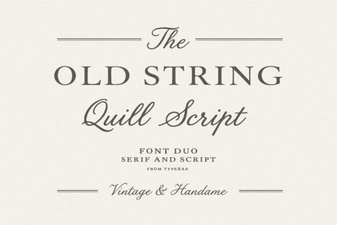 Old String Font Styles for Modern Projects
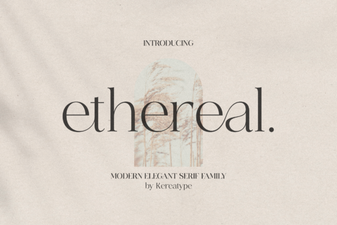 Ethereal Fonts for Modern Web Design Projects
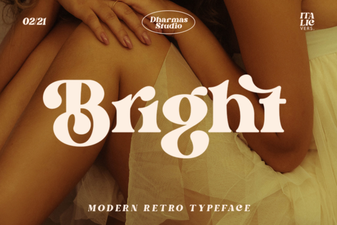 Design Tips: Using Bright Fonts to Boost Usability
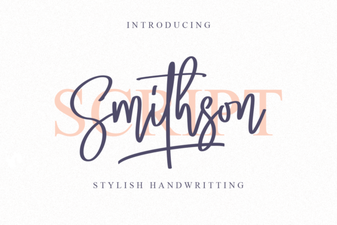 Smithson Font: Modern Design for Digital Projects
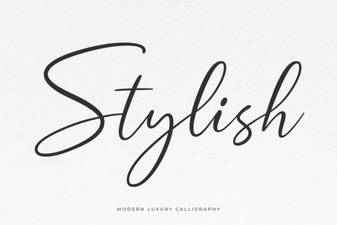 Unleash Creativity with Stylish Fonts for Design
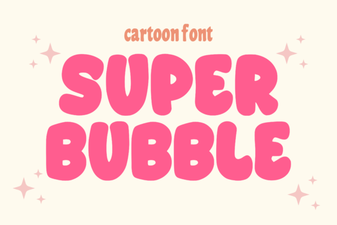 Crafting with Super Bubble Fonts for Projects