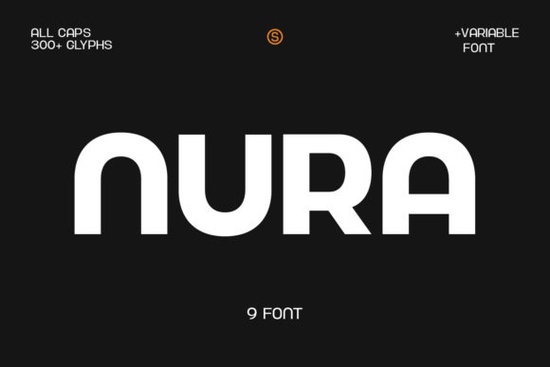
When you need a clean, highly readable typeface that works quietly in the background while still commanding attention, Nura Font fits right into that space. It is a straightforward sans serif design built for clarity, making it easy to pair with images, patterns, or complex layouts without creating visual noise. If you are working on merchandise, digital ads, or brand identity pieces, this typeface saves time by delivering a polished look straight out of the package. The characters are evenly weighted, which means lines of text stay balanced whether you use them for a short label or a full paragraph.
Why do designers and small businesses lean toward this style?
The main reason is reliability. A neutral sans serif rarely clashes with other visual elements, so you can focus on layout and color instead of fixing awkward letter spacing. You will notice how the strokes maintain consistent thickness, giving headlines a confident presence without looking heavy. For print-on-demand sellers, those even baselines translate directly onto t-shirts, mugs, and stickers where misaligned text ruins the final product. Small brands also benefit from the clean geometry because it supports quick recognition across social media thumbnails and storefront banners.
If you browse through curated collections of modern lettering options, you quickly see why this particular cut stays popular. It handles tight kerning well, which matters when you shrink text down for packaging labels or enlarge it for wall art. The neutral tone leaves room for your photography or illustrations to take center stage, while still providing enough structure to keep readers engaged.
How does it perform across different project types?
You can drop this font into nearly any workflow without worrying about clipping issues or weird spacing artifacts. Logos often require letters that scale smoothly from business card size up to billboard dimensions, and the steady stroke widths prevent jagged edges when you export to vector formats. Subheadings look sharp because the open counters allow ink or pixels to breathe, reducing eye strain during longer reads. When you switch to block letters for event posters or sale announcements, the geometric shapes hold their form even at extreme weights or tracking adjustments.
Crafters and hobbyists usually appreciate tools that stay predictable. Unlike display fonts that demand careful placement, this cut follows standard grid rules, so your die-cut templates and vinyl layers align faster. If you ever want a slightly warmer alternative for greeting cards or wedding invitations, exploring styles like soft geometric variations might round out your library, but you will still return to clean neutrals for daily tasks. The versatility comes from staying unobtrusive while maintaining strong readability.
What should you verify before adding it to your workflow?
First, confirm the license covers your intended use, especially if you plan to sell physical products or embed the typeface in apps. Most commercial packs allow extended distribution for end items, but embedding restrictions vary. Next, check that your software recognizes the OpenType features if you need ligatures or alternate numerals. Testing the file on your actual printer or heat press helps catch smoothing problems early. For reference, you can always review official documentation through the Nura Font page to see detailed compatibility notes and sample swatches.
Keep your master design files organized by separating the typography layer from background elements. This makes it easier to swap out text for different languages or seasonal updates without redrawing graphics. Export preview copies in both PDF and high-resolution PNG so you can compare screen appearance against physical proofs.
Ready to apply it correctly on your next project?
Before you commit to a final layout, run through this quick preparation list to save hours later:
- Download the complete character set and install all available weight variants.
- Create a short test sheet with titles, body copy, and decorative quotes to gauge spacing.
- Adjust tracking by plus ten to plus twenty points for long headlines to improve breathing room.
- Export vectors at three hundred dots per inch or higher for cutting machines and screen printing.
- Save layered source files with clear naming conventions before archiving your workspace.
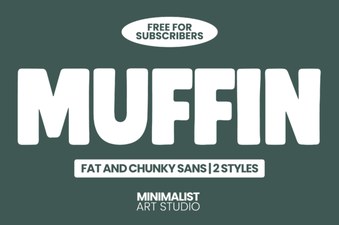 Muffin Font: a Creative Typography Guide
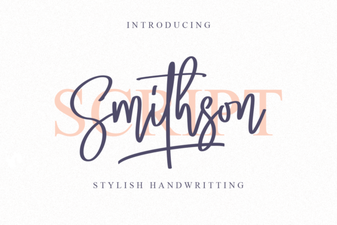 Smithson Font: Modern Design for Digital Projects
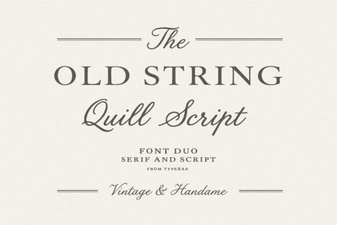 Old String Font Styles for Modern Projects
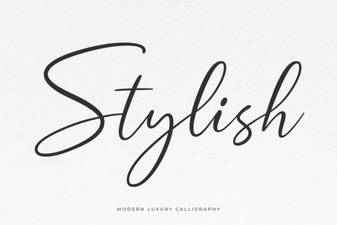 Unleash Creativity with Stylish Fonts for Design
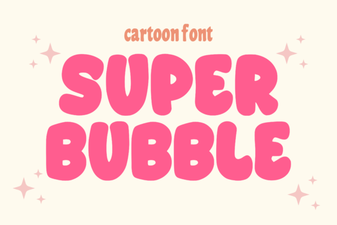 Crafting with Super Bubble Fonts for Projects
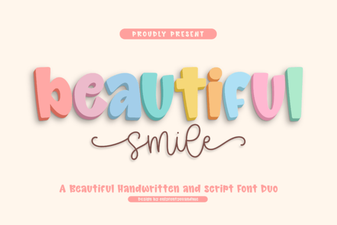 Beautiful Smile Font: a Creative Web Project