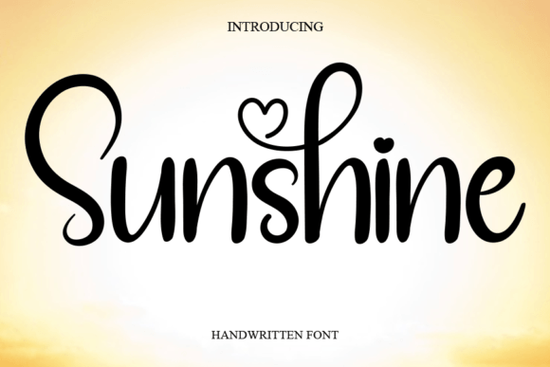
If you are looking for a typeface that feels warm without demanding too much attention, Sunshine Font fits that niche perfectly. It reads like a quick note written at a kitchen table clean, relaxed, and instantly approachable. Whether you are designing birthday invitations, setting up an online store banner, or printing merchandise for your side hustle, this straightforward handwritten style brings a grounded, natural touch to almost any layout. You do not need advanced design software to make it work; just place it over solid backgrounds or light textures and let the letterforms speak for themselves.
What makes this casual script stand out in a crowded market?
Most decorative typefaces try too hard to look unique, often sacrificing readability in the process. This particular design avoids that trap by keeping the x-height generous and the strokes consistent. That balance allows it to function well as both a primary headline and a supporting element when used in moderation. Because the letters connect smoothly but never become overly tangled, viewers can scan the text without stopping to figure out what each character looks like. When you browse through the script fonts category, you will notice how many options lean toward dramatic flourishes or heavy ink traps. This one takes the opposite route, focusing on clarity and quiet confidence instead. Designers who prefer a softer edge often cross-reference casual pairing options to see how complementary curves behave side by side.
Which project types benefit most from this style?
You will find it especially useful for personal stationery, wedding save-the-dates, and thank-you cards. The gentle rhythm of the lettering adds personality without overwhelming photographs or illustrations. Print-on-demand creators often pair it with minimalist line art or watercolor elements to keep the final output feeling fresh rather than dated. Small business owners selling stickers, mugs, or tote bags appreciate how quickly it translates across different mediums. Digital marketers also grab it for social media quote graphics and newsletter headers because the open shapes render clearly on mobile screens. If you ever need to pivot toward a slightly thicker stroke for visibility, checking out bold casual alternatives can provide that extra contrast when spacing gets tight.
How do I choose complementary typefaces for my layouts?
Pairing works best when you contrast structure with personality. A clean sans-serif or a geometric slab serif provides a steady foundation that keeps the handwritten element from floating away. Avoid stacking two highly stylized scripts together, as competing curves tend to create visual noise rather than harmony. When testing combinations, step back every few minutes so your eyes reset, then check legibility at actual size before committing to a full brand system. Creators who want to dig deeper into casual lettering styles often find value in exploring everyday penmanship references to understand how natural movement affects baseline alignment. Keeping your color palette neutral lets the typography remain the focal point.
What technical details should I verify before purchasing?
Always review the included weight options and special characters upfront. Some creators need accented letters for international audiences, while others only require basic punctuation and numbers. Checking the license terms matters just as much as the visual appeal, especially if you plan to sell items made with the letters. Make sure the file formats match your workflow, whether that means TTF for older programs or OTF for modern vector software. Once you have confirmed everything lines up, you can secure extended glyph packs that handle multilingual support without breaking your composition. After confirming compatibility, grab the main package via Sunshine Font, which includes all the standard kerning pairs needed to skip manual spacing adjustments.
Can I modify it for custom projects without losing its charm?
Yes, but restraint is key. Slightly adjusting tracking or adding a soft drop shadow can help the text sit better on busy backgrounds. If you need longer phrases, consider breaking them into multiple lines or using a mix of uppercase and lowercase to control the visual density. Hand-lettered logos usually perform best when kept under four words, letting the character flow breathe. Test your mockups in black and white first to ensure the shapes hold up without relying on color distractions. Regular backups of your working files prevent accidental edits, and keeping a master sheet with all approved combinations makes future batch production much faster. Many crafters return to the original complete style sheet whenever they launch a new product line to maintain consistency.
Ready to put these ideas into practice?
Before you export your final artwork, run through this quick setup guide:
- Verify the resolution matches your output method (at least 300 DPI for print, 72 DPI for web)
- Convert all text outlines only after double-checking spelling and spacing
- Export PNG versions for transparent backgrounds alongside standard PDF files
- Save alternate colorways if your brand guidelines require seasonal adjustments
- Create a fallback plain-text version in case the font fails to embed on third-party platforms
Start with one small test piece, evaluate how the lettering handles whitespace, and adjust accordingly. Building a reliable typography toolkit takes time, but choosing clear, functional scripts now saves revision cycles later.
Try It Free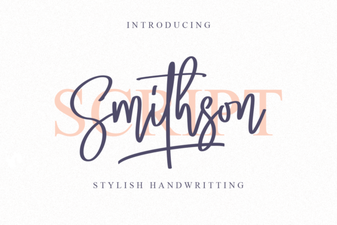 Smithson Font: Modern Design for Digital Projects
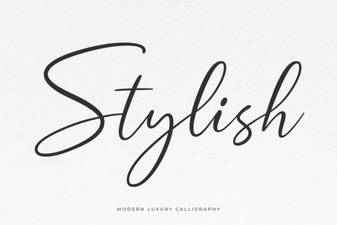 Unleash Creativity with Stylish Fonts for Design
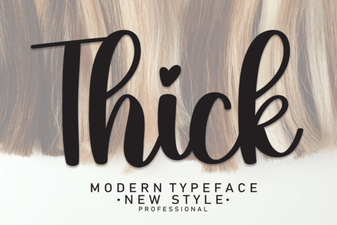 Chunky Fonts for Bold Design Projects
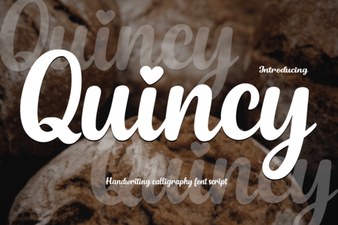 Quincy Font: a Free & Friendly Design Companion
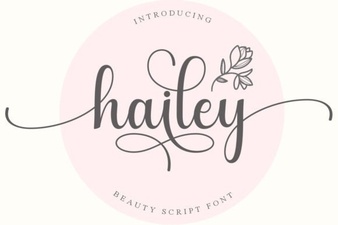 Hailey Font: Design Value and Creative Uses
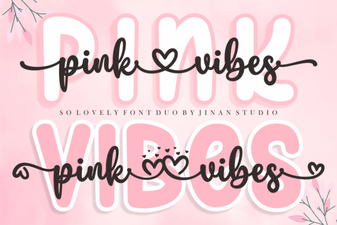 A Fun & Playful Duo Font for Graphic Projects