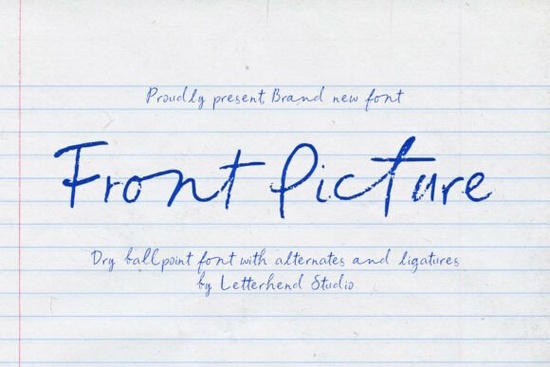
If you need a handwritten script font that feels more like a genuine journal entry than a polished typeface, Front Picture Font deserves a spot in your design toolkit. The style captures quick notes scribbled in notebook margins, complete with the subtle scratchiness of a dry ballpoint pen. Instead of uniform curves, it uses slightly rough strokes and uneven pressure to mimic focused handwriting. For crafters, print-on-demand sellers, and small business owners who need typography that reads as authentic, this font bridges the gap between digital convenience and analog warmth.
Standard handwriting typefaces often feel too slick or repetitive after three words. Front Picture solves this by embracing organic variation. Every letter carries a distinct rhythm, making longer phrases look intentionally drafted. When paired with textured paper backgrounds or minimalist line art, the typography grounds the entire composition. It works well for rustic wedding invitations, tote bag prints, and artisanal packaging where a personal touch matters more than corporate polish.
Why does this rough-edged style resonate with modern audiences?
Viewers appreciate genuine effort. A font showing slight imperfections signals transparency, a trait that drives engagement on independent shops and social platforms. The ballpoint pen texture gives you built-in depth without requiring extra photo filters. You can simply drop the text onto a mockup and let the natural pressure shifts do the heavy lifting. If you prefer cleaner alternatives for formal layouts, checking out a resource like Ashley Southine helps you balance heavier scripts with lighter options in your portfolio.
The uneven weight distribution also plays nicely with spacing adjustments. Tight tracking creates that classic marginalia effect, while generous line breaks keep paragraphs from feeling cramped. Small business owners frequently reuse these letters across seasonal campaigns because the neutral ink tone adapts easily to any color palette. Whether you are designing a café menu or a handmade jewelry tag, the type remains legible while projecting personality.
How will you integrate it into your production pipeline?
Once you know whether the text will live on a physical sticker sheet or a digital printable, you can adjust kerning and size accordingly. Here is a straightforward workflow to get consistent results:
- Set up your canvas at 300 DPI so scratch details stay sharp.
- Limit paragraphs to two lines when using larger point sizes.
- Test against dark and light backgrounds before finalizing exports.
- Keep accent words smaller to maintain the casual notebook aesthetic.
Print-on-demand creators frequently pair this style with vintage photography or botanical illustrations. The contrast between organic ink marks and structured imagery creates visual interest. If you ever need a softer counterpart for greeting cards, browsing a gentle option like Soulmate helps you build versatility across different client requests.
What technical details matter before you commit to a license?
Commercial licensing terms vary widely. Always verify permitted uses such as merchandise limits and digital reselling restrictions. Most platforms provide clear usage guidelines right on the download page, but double-checking never hurts. Confirm multilingual support if your designs target multiple regions, though many script fonts focus primarily on basic Latin characters. Exploring a lively choice like Pink Vibes Duo reveals how pairing a primary script with a complementary display type expands your layout options significantly.
File delivery usually includes OpenType variants and ligature settings. Toggling discretionary ligatures prevents awkward letter connections, giving you finer control over word shapes. Experimenting with the baseline shift feature can tilt certain words upward, mimicking that rushed-but-cute margin note energy without distorting the grid. For creators comparing similar rough-hand styles, reviewing a collection like Quincy provides useful context about current trending aesthetics.
Consistency matters more than novelty for long-term branding. Reusing a single reliable handwriting font across stationery boxes, thank-you notes, and social graphics builds instant recognition. A stable typographic foundation lets you focus resources on photography and copy instead of constantly testing new type families. You can preview additional variations by searching for Front Picture on major design platforms to see how other creators apply the same base set.
Quick prep checklist before exporting your files
- Convert text outlines only if sending vectors to clients.
- Run a spell check manually to catch script rendering errors.
- Export separate PNG and PDF versions for web and print needs.
- Archive your license agreement in a dated project folder.
Take these steps seriously, and your designs will carry authentic, hand-drawn credibility. Keep experimental drafts separate from master files, test spacing on actual print samples, and watch how effortlessly the type settles into your workflow.
Get Started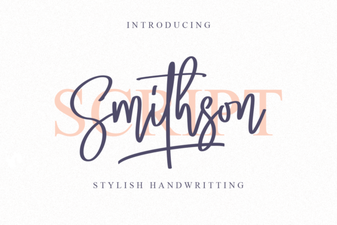 Smithson Font: Modern Design for Digital Projects
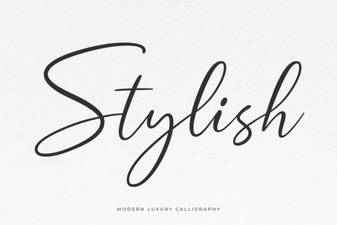 Unleash Creativity with Stylish Fonts for Design
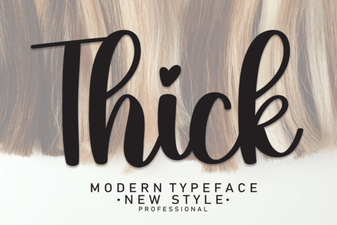 Chunky Fonts for Bold Design Projects
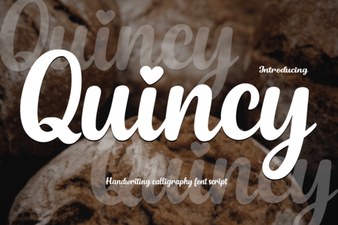 Quincy Font: a Free & Friendly Design Companion
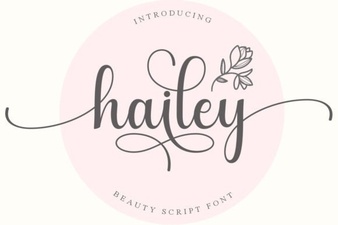 Hailey Font: Design Value and Creative Uses
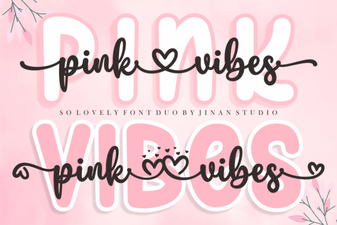 A Fun & Playful Duo Font for Graphic Projects