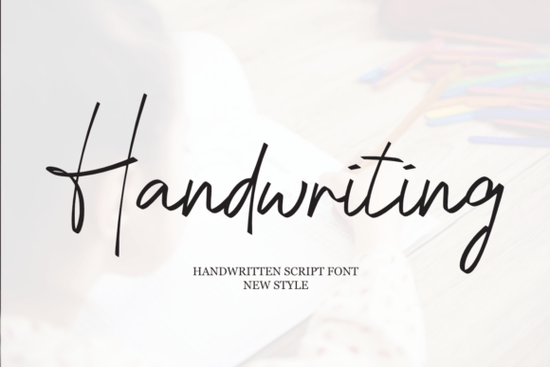
If you have ever searched for a typeface that feels personal without sacrificing readability, a Handwriting Font is likely exactly what your current layout needs. Unlike stiff block letters or overly ornate calligraphy, this style brings a soft, cursive flow that reads easily at any size. Designers and craft makers often reach for it when they want to balance elegance with approachability. Whether you are preparing a boutique label, sketching out a wedding invitation suite, or mocking up a social media promo, the right scripted typeface can make your composition feel finished before you even add colors or images.
What actually makes a gentle script typeface stand out?
The trick lies in consistent stroke weight and natural letter connection. A well-crafted cursive font mimics the rhythm of pen on paper, which means your eyes glide across the words instead of stumbling over sharp angles or broken connections. When you apply it to a product mockup or a brand mood board, the subtle loops and tapered ends add warmth without overpowering surrounding elements. You will notice it works especially well for short phrases, because long paragraphs written entirely in script usually strain the reader’s focus.
If you plan to use this lettering commercially, keep these practical considerations in mind:
- Spacing matters more than you expect. Script characters already share space through their curves. Leaving enough room between letters prevents tangling, especially when printing on labels or packaging.
- Capitalize strategically. All caps can flatten the personality of a flowing typeface. Mixed case or title case preserves the original hand-drawn motion.
- Test on actual materials. Digital screens show crisp vector edges, but fabric, wood, or recycled paper absorbs ink differently. Always run a physical proof before scaling to large production runs.
Where does this handwritten style fit best in a project?
You can drop this font into almost any niche that values a personal touch. Small business owners frequently use it for product tags, thank-you cards, and storefront signage because the gentle strokes convey care without feeling stuffy. Print-on-demand creators love it for quote tees, journal covers, and digital planners, since the casual elegance appeals to wide audiences. If you are designing event stationery, the sweeping tails and soft terminals naturally guide the eye toward names, dates, and venue details.
Pairing it correctly keeps your design from looking crowded. Try placing this script alongside a clean geometric sans-serif for body text or secondary information. The contrast gives the layout breathing room while letting the handwritten element shine as the focal point. You can also layer it over textured backgrounds or muted watercolor washes to deepen the romantic atmosphere.
How do you choose the right variation for your workflow?
Not every script behaves the same way on screen or during production. Some lean toward thick, bold downstrokes, while others prioritize delicate hairlines. If your project requires high visibility from a distance, you might prefer a heavier cut. For refined stationery or minimalist packaging, a lighter version often photographs better under studio lighting. Taking a moment to compare a few family members helps you match the mood exactly.
When exploring alternatives that share a similar spirit, many makers find Hailey Font useful for softer, flowing layouts. Others gravitate toward Smithson Font when they need slightly tighter character spacing. Projects that call for a sharper silhouette often benefit from Stylish Font, while those aiming for maximum impact choose Thick Font. Of course, returning to Handwriting Font remains a reliable default whenever you need that balanced, everyday cursive feel.
Why does checking licensing terms prevent future headaches?
Commercial compatibility varies by creator, so always verify the license terms before publishing on marketplaces like Etsy, Amazon Merch, or Redbubble. Most subscription libraries cover standard retail prints, custom client work, and small-batch merch. Digital products such as printable wall art or template kits usually fall under separate guidelines. Keeping a simple folder structure for your approved assets saves time during peak seasons and prevents accidental takedowns.
For official usage details and updated terms, you can review the platform resources directly via Handwriting Font.
Quick launch checklist for your next scripted design
Run through these steps before hitting publish to ensure a smooth workflow and consistent results.
- Verify that your chosen script supports extended characters if you need numbers, currency symbols, or punctuation marks.
- Embed the font file securely when exporting PDFs or EPS artwork for professional printers.
- Preview your text at actual size, not just zoomed-out canvas dimensions.
- Save three export formats: transparent PNG for web previews, CMYK PDF for offset printing, and SVG for vinyl cutting or embroidery machines.
- Archive the original editable project file with clear layer labels for future revisions or upsells.
Taking a few minutes to organize your assets now prevents last-minute formatting headaches later. Keep your favorite scripts grouped by stroke weight, test color combinations early, and trust the simplicity of good kerning. Your customers will notice the thoughtfulness in every curve.
Get Started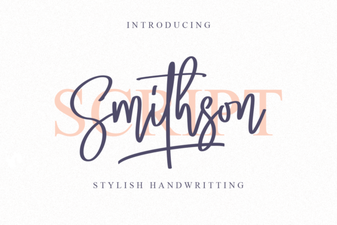 Smithson Font: Modern Design for Digital Projects
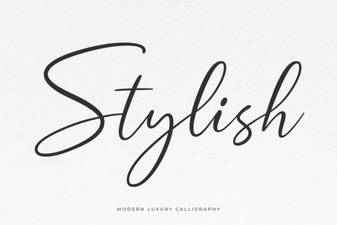 Unleash Creativity with Stylish Fonts for Design
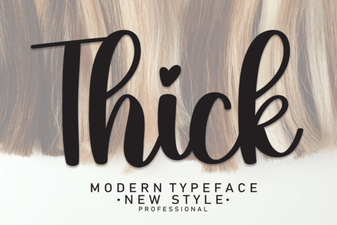 Chunky Fonts for Bold Design Projects
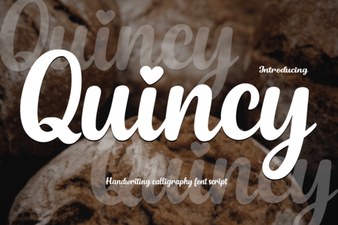 Quincy Font: a Free & Friendly Design Companion
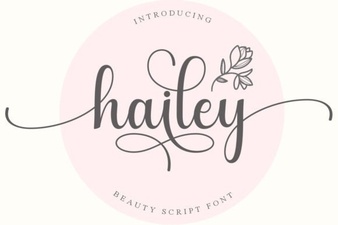 Hailey Font: Design Value and Creative Uses
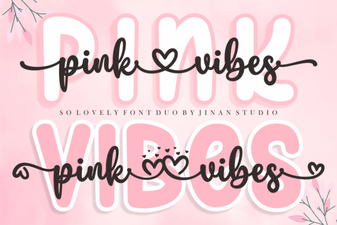 A Fun & Playful Duo Font for Graphic Projects